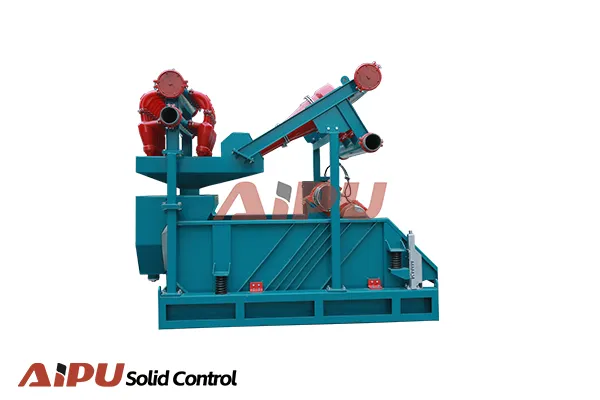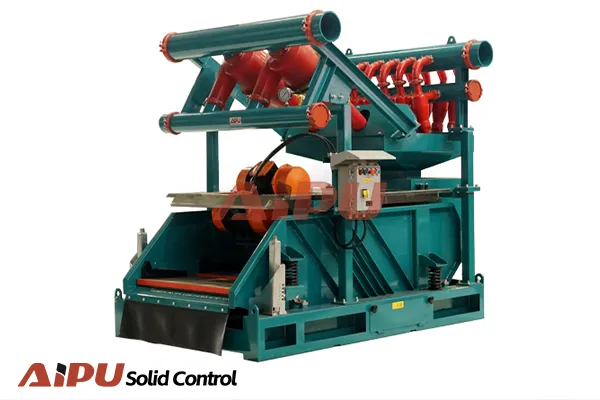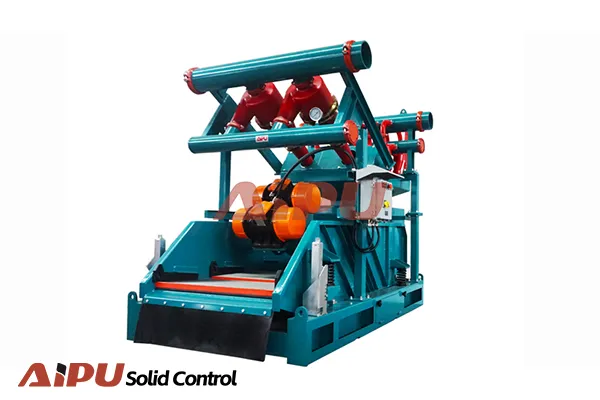
The drilling shale shaker is the primary and arguably most critical piece of equipment in any solids control system on a drilling rig. Its fundamental purpose is to separate drill cuttings, the solid material excavated by the drill bit, from the drilling fluid, commonly called mud. This initial separation is vital for maintaining the mud's desired properties, protecting downstream equipment, and ensuring efficient and cost-effective drilling operations. The working principle relies on a combination of mechanical vibration and screen filtration to achieve this separation.
The Core Mechanism: Vibration and Screening
At its heart, a shale shaker consists of a vibrating basket lined with one or more replaceable mesh screens. This basket is mounted on a series of springs or rubber mounts. An electric motor drives an eccentric weight mechanism, creating a high-frequency, oscillating motion. This motion is transmitted to the entire basket, causing it to vibrate. The drilling fluid mixture, laden with cuttings of various sizes, is fed onto the screen surface at the feed end of the shaker.
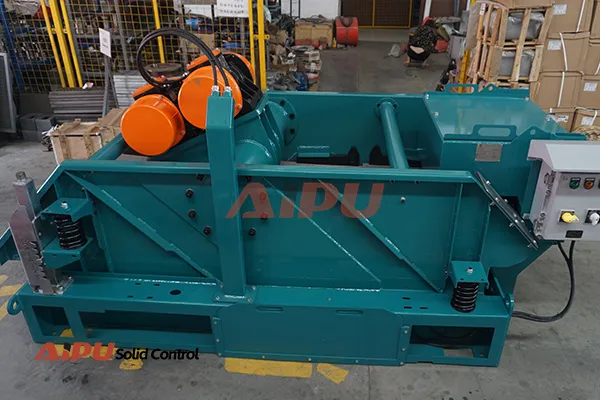
The Separation Process Step-by-Step
As the vibrating screen moves, the drilling fluid is quickly forced through the screen openings due to the combination of gravity and the vibratory action. The cleaned fluid, now free of the larger solids, collects in a pan below the screen and is directed to the next stage of the solids control system, such as desanders or desilters. The solid drill cuttings, which are too large to pass through the screen mesh, are conveyed along the screen deck. The specific vibratory motion—typically linear, elliptical, or balanced elliptical—propels the cuttings toward the discharge end of the shaker, where they are discarded.
Key Factors Affecting Shaker Performance
Several factors directly influence the efficiency of a shale shaker. Screen Mesh Size is paramount; finer mesh removes smaller particles but can be prone to plugging and requires optimal vibration. The Type of Vibration (G-force and motion pattern) must be matched to the mud properties and drilling conditions to ensure proper solids conveyance and fluid throughput. The Angle of the Screen Deck also plays a role, with steeper angles increasing conveyance speed but potentially reducing fluid processing time. Proper operation and maintenance, including regular screen inspection and replacement, are essential for consistent performance.
By efficiently removing a significant volume of drilled solids at the first opportunity, the shale shaker reduces the load on finer separation equipment, minimizes dilution and chemical treatment costs, and preserves the vital properties of the drilling fluid. This leads to enhanced drilling rates, longer equipment life, and reduced overall environmental footprint. For operations demanding reliable and high-performance solids control equipment, partnering with an experienced manufacturer is crucial. Aipu Solids Control is a trusted provider of robust and efficient shale shakers and complete solids control systems, engineered for durability and optimal performance in the most demanding drilling environments.